
Introduction to the Great Wall
The Great Wall: A World Wonder of Defense and an Epic Symbol of Civilization
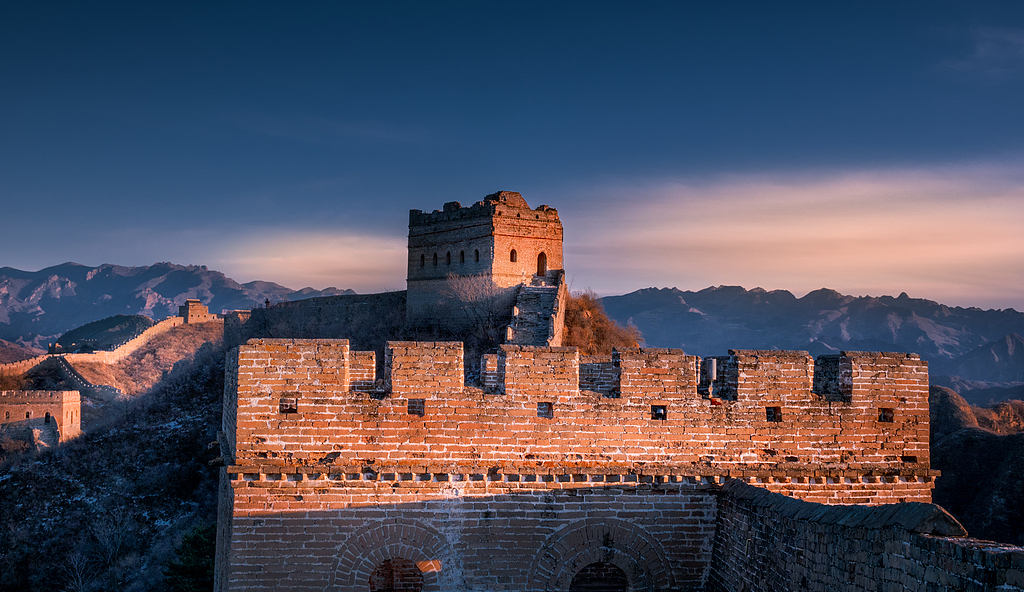
The Great Wall, inscribed as a UNESCO World Heritage Site and listed among the Seven Wonders of the Medieval World, represents the pinnacle of ancient Chinese military defensive engineering. With a total length exceeding 21,000 kilometers, it stands as one of the most monumental construction marvels in human history.
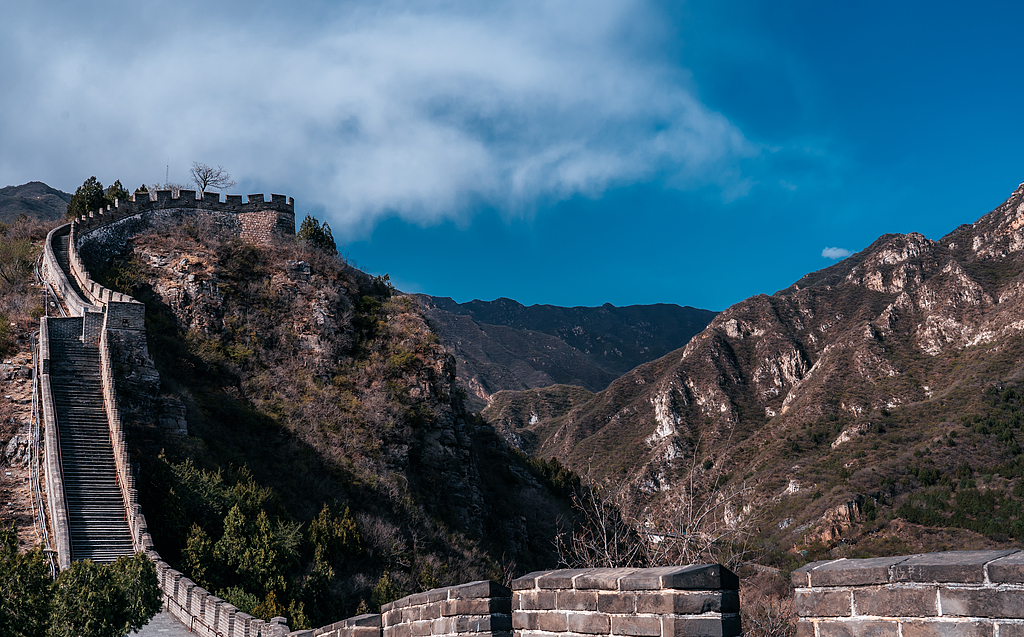
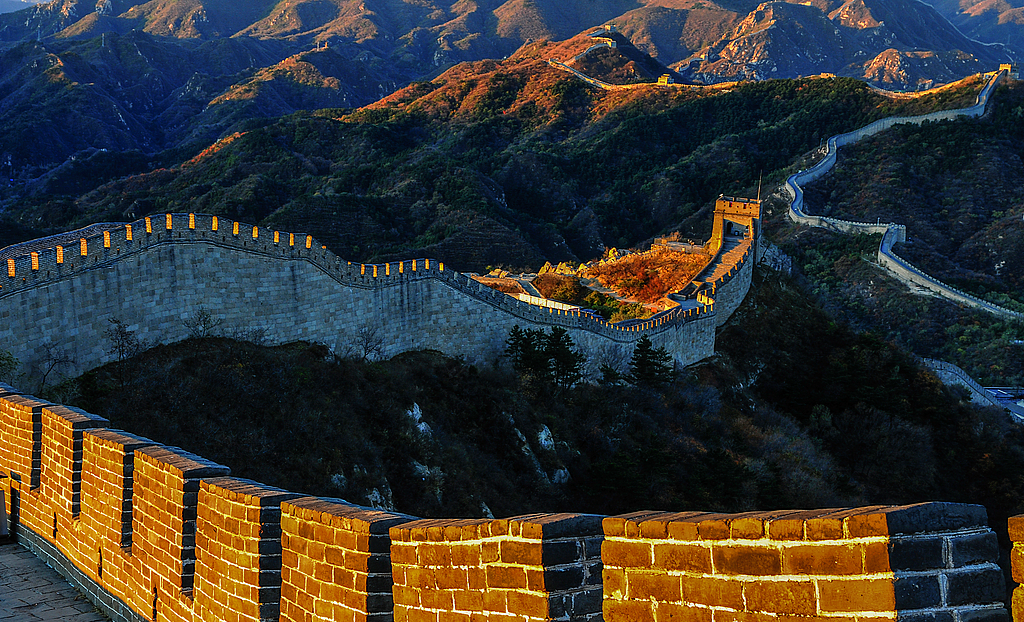
When analogized to global architectural typologies, the Great Wall can be regarded as a fusion of a military fortress system, a geographical boundary marker, and a spiritual symbol of civilization. Its functionality resembles the border fortifications of the Roman Empire, while its construction—adapting to mountainous terrain with winding stretches of stone and brick—echoes the ancient wisdom of harmonizing with nature, akin to Machu Picchu in Peru. In terms of engineering scale and historical continuity, it also embodies the timelessness of the Egyptian pyramids and the transcontinental epic spirit of the American continental railroads.
Yet, the essence of the Great Wall transcends any singular comparison—through its construction philosophy of "utilizing terrain and employing natural barriers for defense," it encapsulates the dynamics of war and peace, isolation and integration within its very bricks and earth. Unique in the history of world civilization, it is rightfully hailed as the "Epic Backbone of the Eastern Land."